Benefits of Stainless Steel Railings
The choice of material for discerning architects in search of a unique railing system, stainless steel helps produce a significant design impact. Given the material’s clean, beautiful looks, and resistance to rust, it’s easy to understand the reasons which make it so popular. In addition, it complements other materials when used in combination with glass or wood to create a distinctively modern feel.
The design options with stainless steel are very wide. The material is bright and clean, available in various shapes, finishes, and can be designed to suit a wide range of applications – from industrial, commercial to residential.
Extreme Durability
Railings made of stainless steel can stand many years of use and abuse, as well as exposure to extreme weather conditions. Any commercial or residential property’s exteriors should be designed to endure the elements. Stainless steel railings will hold their ground firmly because of their strength and corrosion resistance properties.
Cost Efficiency
When customizing metal railings, the first thing that often comes to mind is the prohibitive cost, as well as the associated repair and maintenance work. This is a clear misconception! Customizing your railing is affordable. While wood railings may be a less expensive option to customize, they would be more costly in the long term – if you factor in the maintenance cost. Stainless steel railings are virtually zero maintenance with high strength and very long life.
Aesthetic Appeal
A lot of commercial and residential structures use railings made of stainless steel to enhance the beauty and strength of their buildings. Stainless steel provides a sleek and modern look, particularly for structures with contemporary design. The good thing about stainless steel railings is that you can choose a particular design from a wide variety of available options, based on your preferences. You can even have the railings customized according to your specific requirements. In addition, the material is durable and long-lasting. It is the most preferred metal for construction in general, and railings in particular.

Introduction to Railings
What is a Railing?
A railing may pertain to a guard rail (a structure that prevents access to an area), a handrail (intended to offer support near or on a staircase), or a grab bar (a structure that provides support) in areas like a kitchen or bathroom.
Guard Rail
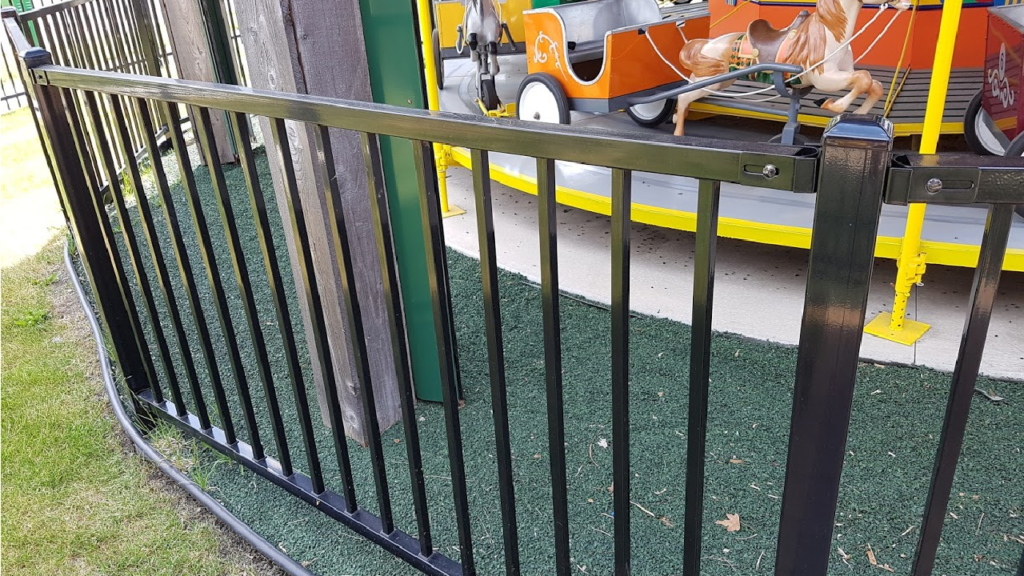
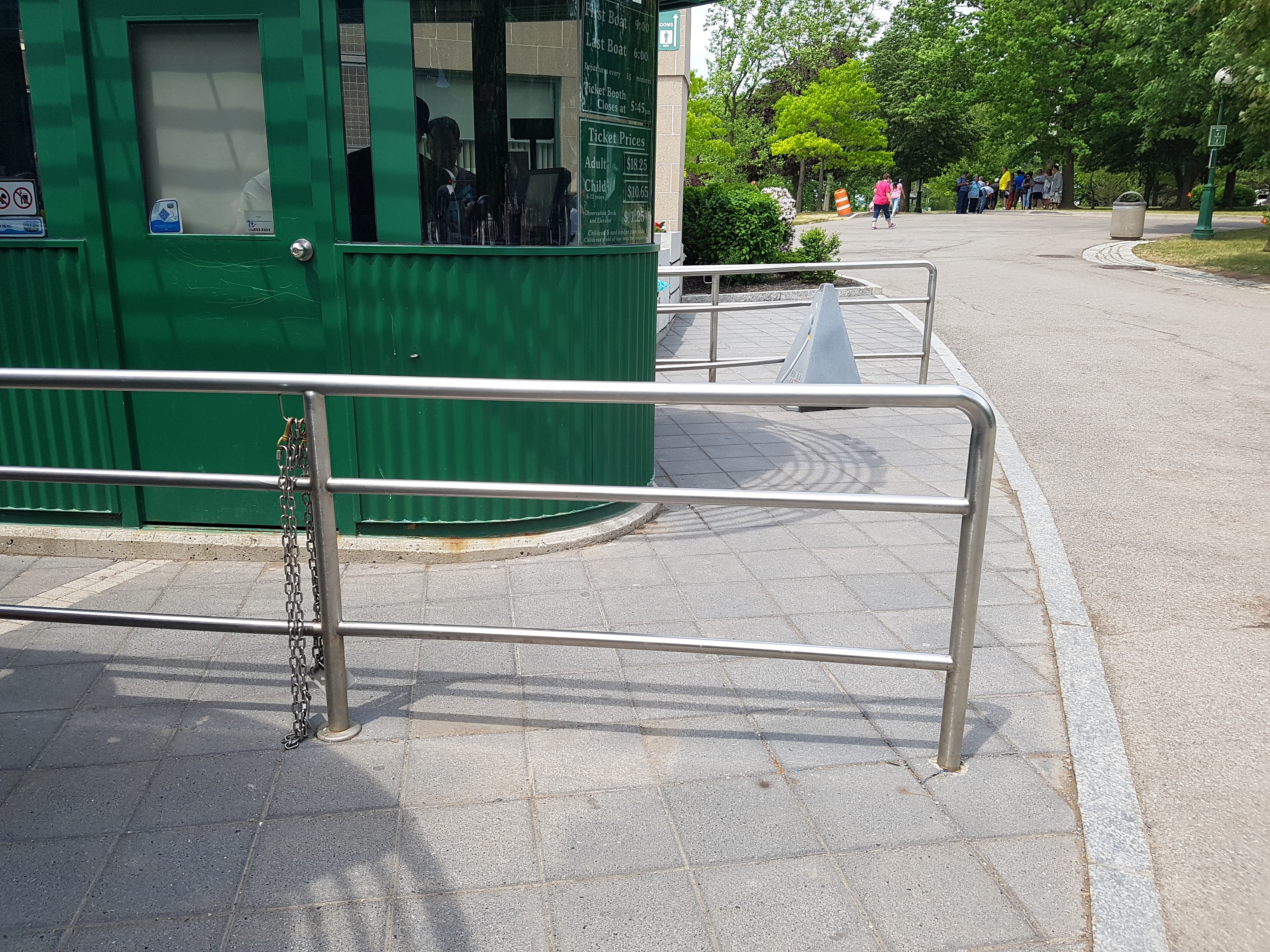
In its most basic form, a guard rail is a blockade or barrier made up of rails or a single rail, with vertical supports. The usual guard rail on a porch or inside a structure comes with a horizontal rail that is about waist-high and provides a safety barrier to prevent falls from the edge of vertical drips. A guard rail can also be used to mark a boundary and prevent access to off-limits or dangerous areas. At the same time, it allows light and visibility to passing through as compared to a wall.
Handrail
A handrail, as its name suggests, is intended to be grasped to provide support or stability. Handrails come in handy when ascending or descending escalators and stairways to prevent serious falls. Handrails are often either mounted to walls directly or supported by posts.
Grab Bars
Designed to avoid falls on wet, slippery floors like in bathrooms, grab bars are also used in galleys of ships. They can also be used as barres, and serve as training tools for ballerinas.